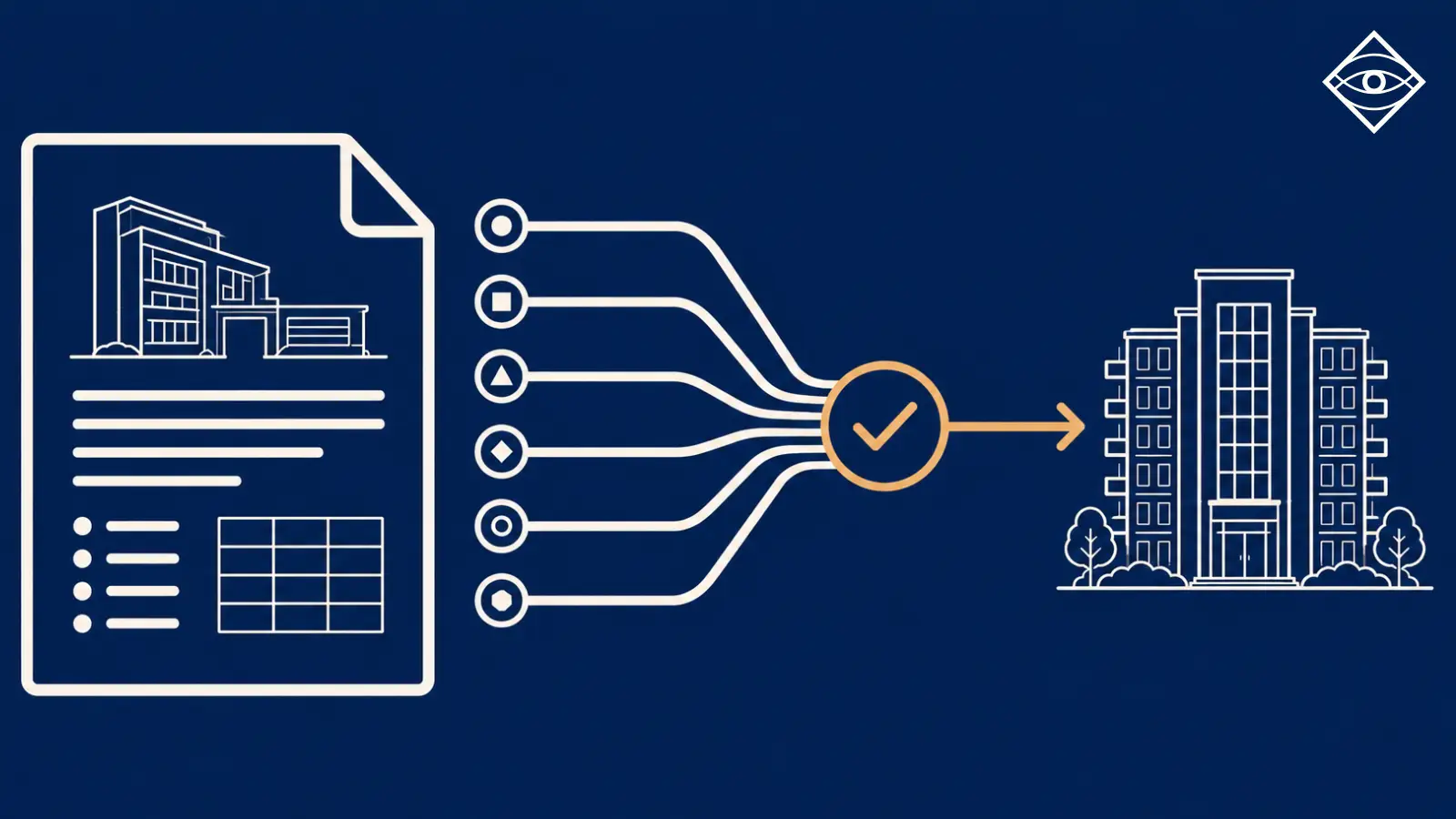
Structural Reports Don’t Protect Buildings. Coordinated Action Does.
What the Champlain Towers South investigation teaches boards about the distance between knowing and acting.


What the Champlain Towers South investigation teaches boards about the distance between knowing and acting.

How reserve funding, structural integrity, and mortgage eligibility became one fiduciary question.
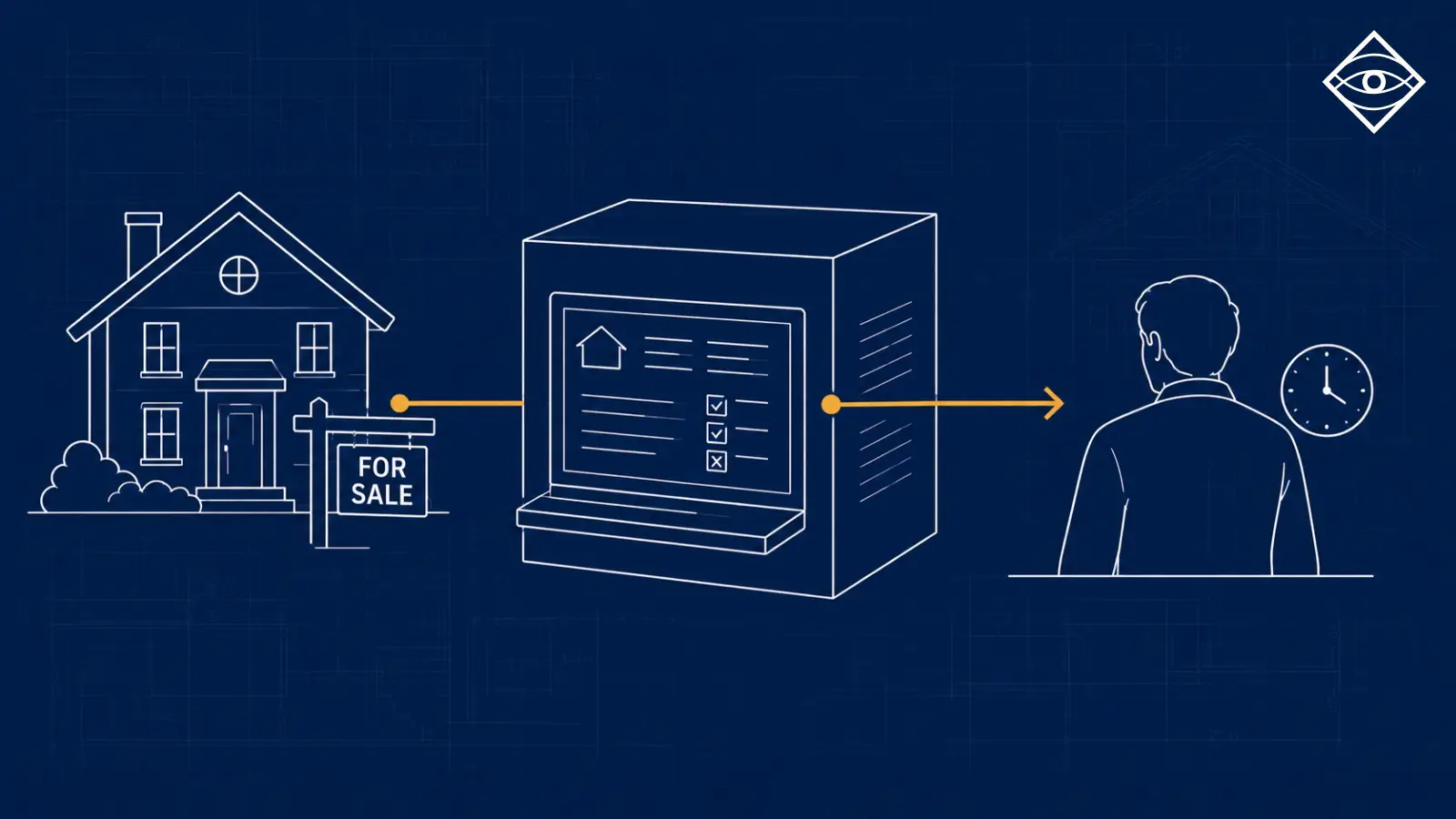
How Fannie Mae and Freddie Mac quietly changed what board decisions mean for every condominium owner.

A practical framework for helping volunteer boards connect decisions, people, planning, operations, and communication — before recurring friction becomes the way things work.

If you’re getting interviews, but few callbacks and no offers, your résumé is doing its job. That also suggests your interviews aren’t.
If you’re getting interviews, but few callbacks and no offers, your résumé is doing its job. That also suggests your interviews aren’t.

Fannie Mae and Freddie Mac made two changes on August 3 that condominium boards should understand before a sale, refinance, or lender request turns into a fire drill.
Five realities are already playing out in Florida; not a prediction that every board will face the same outcome, but a signal worth taking seriously for boards under similar pressure.
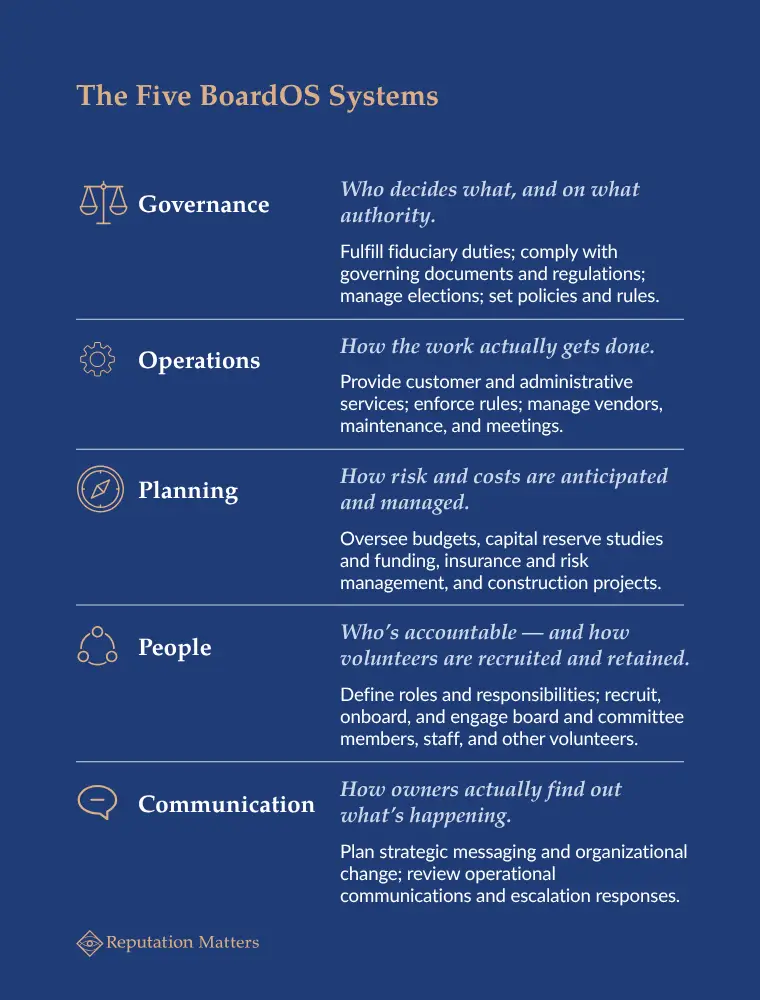
A structured way to see where your board’s five systems stand today.

Why do smart, well-intentioned people still make bad group decisions? It’s about structure. This piece examines how boards, executives, and job seekers all fall into the same trap.”

A reserve funding shortfall doesn’t have to feel like an ambush. See how two boards handled the same number, and why timing decided the outcome.

Same qualifications. Same experience. Same result: silence. The problem isn’t your résumé or your skills. Here’s what’s actually happening in the room.

Most leaders in crisis think they have two choices. There’s a third. Here’s how executive coaching helps you make hard decisions with clarity, not desperation.

You volunteered to serve your community. Now you’re making million-dollar decisions with no training. Here’s what board consulting actually is — and does.

When the pressure’s on, generic advice doesn’t cut it. Here’s what Reputation Matters does, who it’s for, and why clarity matters more than volume.

Reputation Matters isn’t a clever name. It’s a statement of fact.
This post explains the thinking behind our name, eye icon, colors, and typography, and how a serious name can still allow a bit of whimsy.

Reputation Matters was built on a simple belief: trust is not an outcome to be engineered. It’s a reflection of who we are, what we do every day, and how we show up for others, especially when the stakes are real.

When every option is bad, the board still has to choose one. Waiting can be the right decision, but only if the board knows what waiting is meant to accomplish and what happens next.
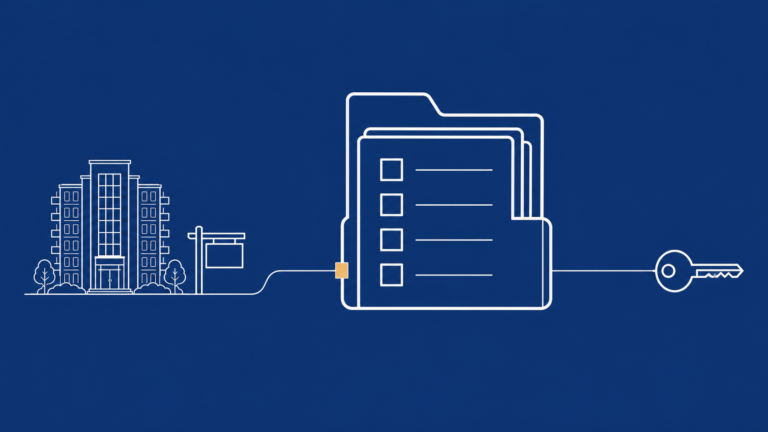
Fannie Mae and Freddie Mac retired faster condo review paths. Lenders can no longer use a reserve study’s baseline-funding recommendation to support project eligibility. What that means in practice.
