


Reputation Matters wasn’t chosen as a clever brand name. It’s rooted in a statement of fact, serious yet permissive enough to be playful.
Reputation is not image. It’s not marketing. It’s not what you say about yourself. It’s what people expect from you based on what you’ve shown them repeatedly over time.
That definition underpins everything we do. How we:
The brand, its name, visuals, colors, and typography, exists to dress that belief, not distract from it.
Trust isn’t created by a single moment or message. It accumulates — or erodes — through consistent behavior.
Most reputational damage doesn’t come from bad intent. It comes from blind spots, shortcuts, and decisions made without fully considering their human impact. That’s why our work focuses less on presentation and more on judgment. Specifically when:
Reputation follows those moments. Always.
With that in mind, our mark is an eye. A reminder that judgment is rooted in awareness.
The eye in our logo isn’t about visibility. It’s about perception.
Before people decide whether to trust you, they’re watching:
The eye represents awareness. Of self, of others, and of context. Good judgment starts there.
It also reflects a core operating principle of our work: you can’t lead well, decide well, or communicate well without first seeing clearly. Awareness precedes action. And action is what people remember.
Reputation Matters uses a restrained, deliberate color palette for a reason.
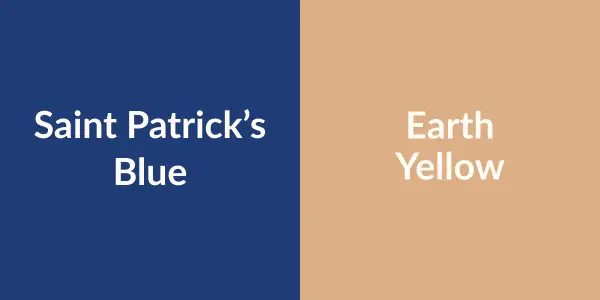
Saint Patrick’s Blue conveys steadiness, credibility, and calm authority. It’s the color of trust earned over time, not urgency, spectacle, or performance.
Earth Yellow introduces warmth and humanity without tipping into flash or ornamentation. It suggests value without shine. Substance without display.
Together, these colors signal: this is not a brand that shouts. It holds its ground.
Typography does quiet work. When it’s right, you don’t notice it. When it’s wrong, it gets in the way.
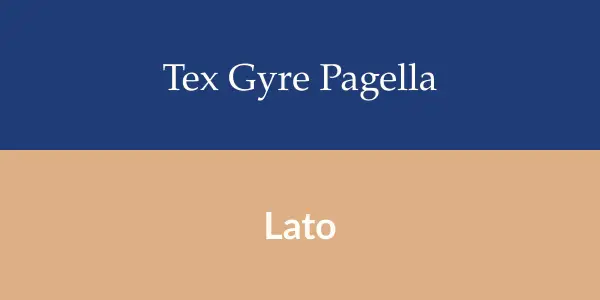
We use Lato and Tex Gyre Pagella intentionally, and sparingly.
Lato is clean, readable, and modern without being cold. It supports clarity and accessibility, especially when ideas are complex.
Tex Gyre Pagella adds weight and seriousness, grounding the voice in something earned rather than fashionable.
Nothing here is decorative. If people are making hard decisions, or reconsidering how they lead, the last thing they need is visual noise.
Every design choice supports the same underlying principles:
Visuals create space for ideas to land, rather than trying to persuade on their own.
While the brand itself aims to make difficult realities feel clearer, instead of attempting to make them easier.
Whether we’re advising a volunteer board, coaching an executive, preparing someone for a high-stakes interview, or guiding a communications strategy, the same philosophy applies:
The brand exists to reflect that reality, to call it out, not smooth it over.
In a world saturated with personal brands, positioning statements, and polished narratives, it’s easy to confuse visibility with credibility.
Reputation Matters branding intentionally resists that impulse. Like the business it represents, the brand is less about looking good than being reliable when it counts.
Reputation Matters works best with people and organizations who understand that trust is a long game.
Our principles, mindset, services, and approach resonate with leaders who:
We’re not a fit for those looking for shortcuts, cosmetic fixes, or messaging that outruns reality.
Reputation can’t be engineered on demand.
It has to be lived. Over time. Under pressure. And in full view of others.
That understanding and expectation shapes everything we do.
Reputation Matters wasn’t chosen as a clever brand name. It’s rooted in a statement of fact, serious yet permissive enough to be playful.
Reputation is not image. It’s not marketing. It’s not what you say about yourself. It’s what people expect from you based on what you’ve shown them repeatedly over time.
That definition underpins everything we do. How we:
The brand, its name, visuals, colors, and typography, exists to dress that belief, not distract from it.
Trust isn’t created by a single moment or message. It accumulates — or erodes — through consistent behavior.
Most reputational damage doesn’t come from bad intent. It comes from blind spots, shortcuts, and decisions made without fully considering their human impact. That’s why our work focuses less on presentation and more on judgment. Specifically when:
Reputation follows those moments. Always.
With that in mind, our mark is an eye. A reminder that judgment is rooted in awareness.
The eye in our logo isn’t about visibility. It’s about perception.
Before people decide whether to trust you, they’re watching:
The eye represents awareness. Of self, of others, and of context. Good judgment starts there.
It also reflects a core operating principle of our work: you can’t lead well, decide well, or communicate well without first seeing clearly. Awareness precedes action. And action is what people remember.
Reputation Matters uses a restrained, deliberate color palette for a reason.
Saint Patrick’s Blue conveys steadiness, credibility, and calm authority. It’s the color of trust earned over time, not urgency, spectacle, or performance.
Earth Yellow introduces warmth and humanity without tipping into flash or ornamentation. It suggests value without shine. Substance without display.
Together, these colors signal: this is not a brand that shouts. It holds its ground.
Typography does quiet work. When it’s right, you don’t notice it. When it’s wrong, it gets in the way.
We use Lato and Tex Gyre Pagella intentionally, and sparingly.
Lato is clean, readable, and modern without being cold. It supports clarity and accessibility, especially when ideas are complex.
Tex Gyre Pagella adds weight and seriousness, grounding the voice in something earned rather than fashionable.
Nothing here is decorative. If people are making hard decisions, or reconsidering how they lead, the last thing they need is visual noise.
Every design choice supports the same underlying principles:
Visuals create space for ideas to land, rather than trying to persuade on their own.
While the brand itself aims to make difficult realities feel clearer, instead of attempting to make them easier.
Whether we’re advising a volunteer board, coaching an executive, preparing someone for a high-stakes interview, or guiding a communications strategy, the same philosophy applies:
The brand exists to reflect that reality, to call it out, not smooth it over.
In a world saturated with personal brands, positioning statements, and polished narratives, it’s easy to confuse visibility with credibility.
Reputation Matters branding intentionally resists that impulse. Like the business it represents, the brand is less about looking good than being reliable when it counts.
Reputation Matters works best with people and organizations who understand that trust is a long game.
Our principles, mindset, services, and approach resonate with leaders who:
We’re not a fit for those looking for shortcuts, cosmetic fixes, or messaging that outruns reality.
Reputation can’t be engineered on demand.
It has to be lived. Over time. Under pressure. And in full view of others.
That understanding and expectation shapes everything we do.